From Standard to Digital: Comprehending the Development of Fabric Printing
The makeover of towel printing from traditional techniques like block printing and resist dyeing to modern techniques such as screen and digital printing marks a considerable change in the fabric market. Typical methods, soaked in artisanal workmanship and cultural significance, have actually gradually given method to electronic advancements that provide unprecedented precision, efficiency, and personalization. This shift not only enhances production capabilities however additionally aligns with expanding demands for lasting methods. Yet, how do these innovations impact the significance of fabric printing, and what might the future hold for this ever-evolving craft?
Standard Towel Printing Methods
In the beginning of textile production, traditional fabric printing approaches worked as the foundation of material design, supplying both capability and creative expression. Techniques such as block printing, withstand dyeing, and stenciling were meticulously developed and improved over centuries, each contributing distinct visual high qualities and sensible applications to the fabric sector. Block printing, one of the oldest techniques, involved carving detailed layouts into wooden blocks, which were after that dipped in color and pushed onto textile. This labor-intensive procedure enabled the repeating of comprehensive patterns, showcasing the artisan's ability and imagination.
Resist dyeing, consisting of methods like batik and tie-dye, utilized wax or other compounds to avoid dye from penetrating particular areas of the material. This approach created striking contrasts and elaborate designs, commonly imbued with cultural value. Stenciling, an additional standard technique, entailed cutting patterns right into a product and applying color via the openings, supplying a less complex yet effective method to produce repeated designs.
These typical approaches not just formed the textile sector's early advancement yet also prepared for future technologies. Each strategy mirrored the local and social features of its beginning, protecting and sharing artisanal knowledge via generations.
The Increase of Display Printing
The introduction of display printing in the early 20th century noted a significant departure from conventional approaches, using extraordinary convenience and efficiency. Display printing made it possible for developers to produce intricate patterns and vibrant colors on fabrics, which were formerly testing to achieve with block printing or hand-painting techniques.
One of the key advantages of screen printing is its capability to duplicate complex designs widespread with remarkable fidelity. This scalability made it tremendously preferred in the business textile sector, where automation without compromising top quality is critical. Moreover, screen printing accommodates a variety of dyes and inks, expanding the combination of appearances and coatings available to designers.
In addition, the procedure is highly versatile, suitable for numerous fabric types including cotton, silk, and synthetics. This adaptability, combined with its cost-efficiency for large runs, solidified display printing's role as a cornerstone of contemporary fabric manufacturing. Hence, the rise of screen printing revolutionized the market, pushing the limits of what was possible in fabric style.
The Development of Digital Printing
Building on the remarkable innovations brought by screen printing, the textile industry experienced one more groundbreaking growth with the advent of digital printing. Arising in the late 20th century, digital printing transformed the means designs are moved onto fabrics, supplying unprecedented flexibility and performance. Unlike typical approaches, which typically required comprehensive setup and substantial hand-operated treatment, electronic printing uses computer-aided design (CAD) innovation to generate read here elaborate patterns directly onto the textile with high precision.
This innovation has actually enabled textile producers to meet the expanding demand for personalization and on-demand manufacturing. By eliminating the requirement for screens and plates, electronic printing lessens and minimizes lead times material waste, making it a much more sustainable option. The capacity to print complex pictures and a vast array of shades in a solitary pass has actually opened up new creative avenues for developers, promoting a surge in imaginative expression within the market.
Furthermore, electronic printing sustains smaller sized set manufacturing runs, which is especially advantageous for niche markets and start-up style brands. This technological leap has not just boosted operational effectiveness however also equalized access to high-grade fabric printing, establishing the stage for future advancements in fabric layout and manufacturing.
Contrasting Strategies: Traditional Vs. Digital
While both electronic and typical printing approaches have their own unique benefits, they vary substantially in regards to procedure, effectiveness, and environmental influence. Standard fabric printing, encompassing methods like block printing and display printing, entails manual work and elaborate workmanship. These approaches are commemorated for their capacity to create rich appearances and my response vibrant shades, usually resulting in special, artisan-quality items. They are labor-intensive, taxing, and usually limited in terms of color variety and style intricacy.
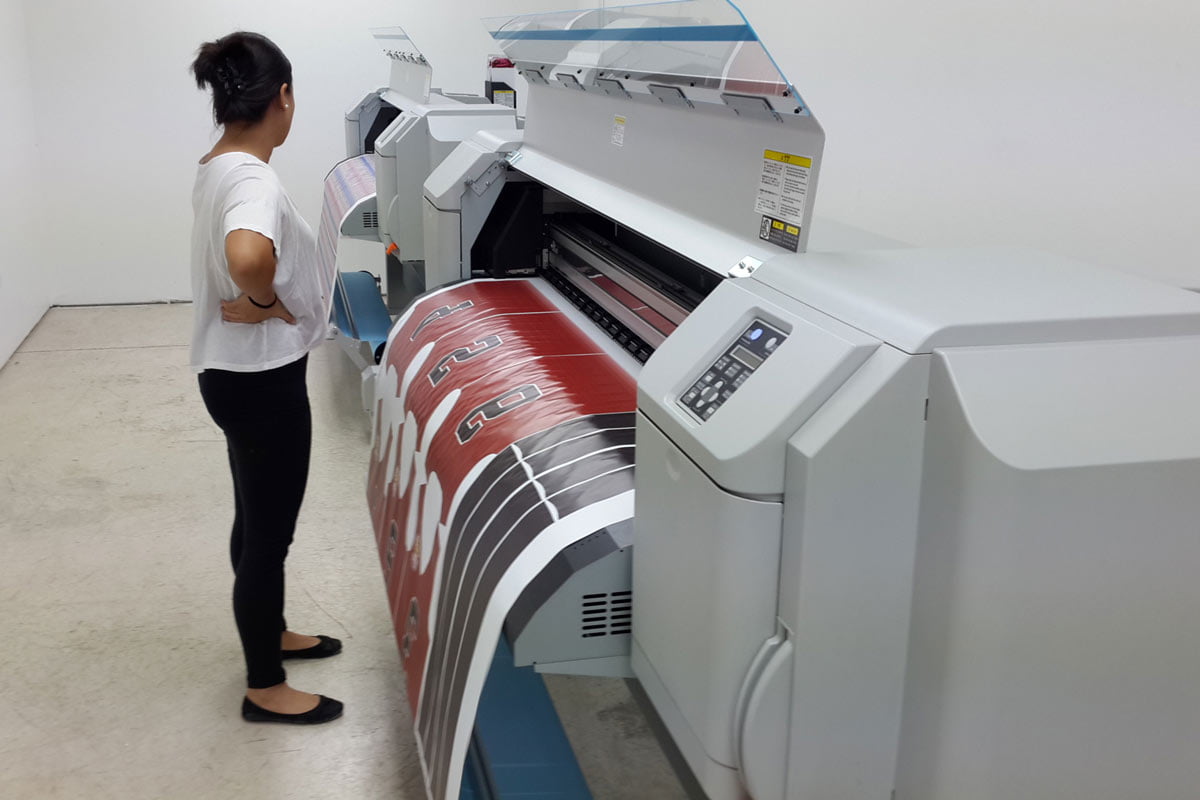
In comparison, electronic printing employs innovative modern technology to move layouts directly onto material using inkjet printers. Digital printing is dramatically quicker, permitting for fast turnarounds and just-in-time production, which reduces the need for big stock storage.
From an ecological viewpoint, digital printing is normally a lot more sustainable. It uses much less water and creates marginal waste compared to typical approaches, which usually entail substantial washing and coloring processes. Digital printing is increasingly favored in an era where environmental factors to consider are vital.
Future Patterns in Fabric Printing
As the textile industry remains to progress, future patterns in cloth printing frequently direct in the direction of higher integration of modern technology and sustainability. One substantial pattern is the increased application of digital printing technologies. These developments enable greater accuracy, much faster manufacturing times, and the ability to produce complicated layouts that were once tough with conventional techniques. Digital fabric printing is expected to control the market, driven by its performance and adaptability to consumer demands for customized and limited-edition items.
In addition, the incorporation of smart fabrics, which integrate electronic components right into materials, is set to transform the market. These fabrics can offer additional performances such as temperature level guideline, health and wellness tracking, and interactive functions. As modern technology remains to advancement, the crossway of electronic printing and smart textiles will certainly open up brand-new avenues for creative and practical applications in fabric printing.
Conclusion
The evolution of cloth printing from typical methods to digital technologies notes a substantial improvement in the fabric sector. While typical strategies highlight artisanal workmanship and social heritage, digital printing offers unmatched precision, efficiency, and modification. This change not only boosts manufacturing capacities however likewise supports sustainability efforts. Future fads are likely to continue integrating innovative modern technologies, additionally redefining fabric layout and manufacturing procedures to meet modern demands and environmental factors to consider (Branded clothing).
The transformation of cloth printing from traditional approaches like block printing and withstand coloring to modern techniques such as display and electronic printing notes a considerable shift in the fabric sector. Screen printing allowed designers to create elaborate patterns and dynamic shades on fabrics, which were previously testing to achieve with block printing or hand-painting approaches.
Structure on the impressive improvements brought by display printing, the textile sector experienced an additional groundbreaking development with the development of digital printing. heat transfer vinyl printing. Conventional cloth printing, incorporating techniques like block printing and display printing, includes hand-operated labor and elaborate craftsmanship. As modern technology proceeds to advance, the intersection of electronic printing and wise textiles will certainly open new opportunities for imaginative and practical applications in cloth printing
Comments on “Elevate Your Designs with DTF Printing: A Comprehensive Guide”